
Are Cheap Dermal Fillers Safe? What You Need to Know | EAD UK
Dermal fillers have become one of the most popular non-surgical aesthetic treatments worldwide, helping patients restore volume, smooth wrinkles, and enhance facial contours. As demand continues to grow, so does the number of filler products available on the market.
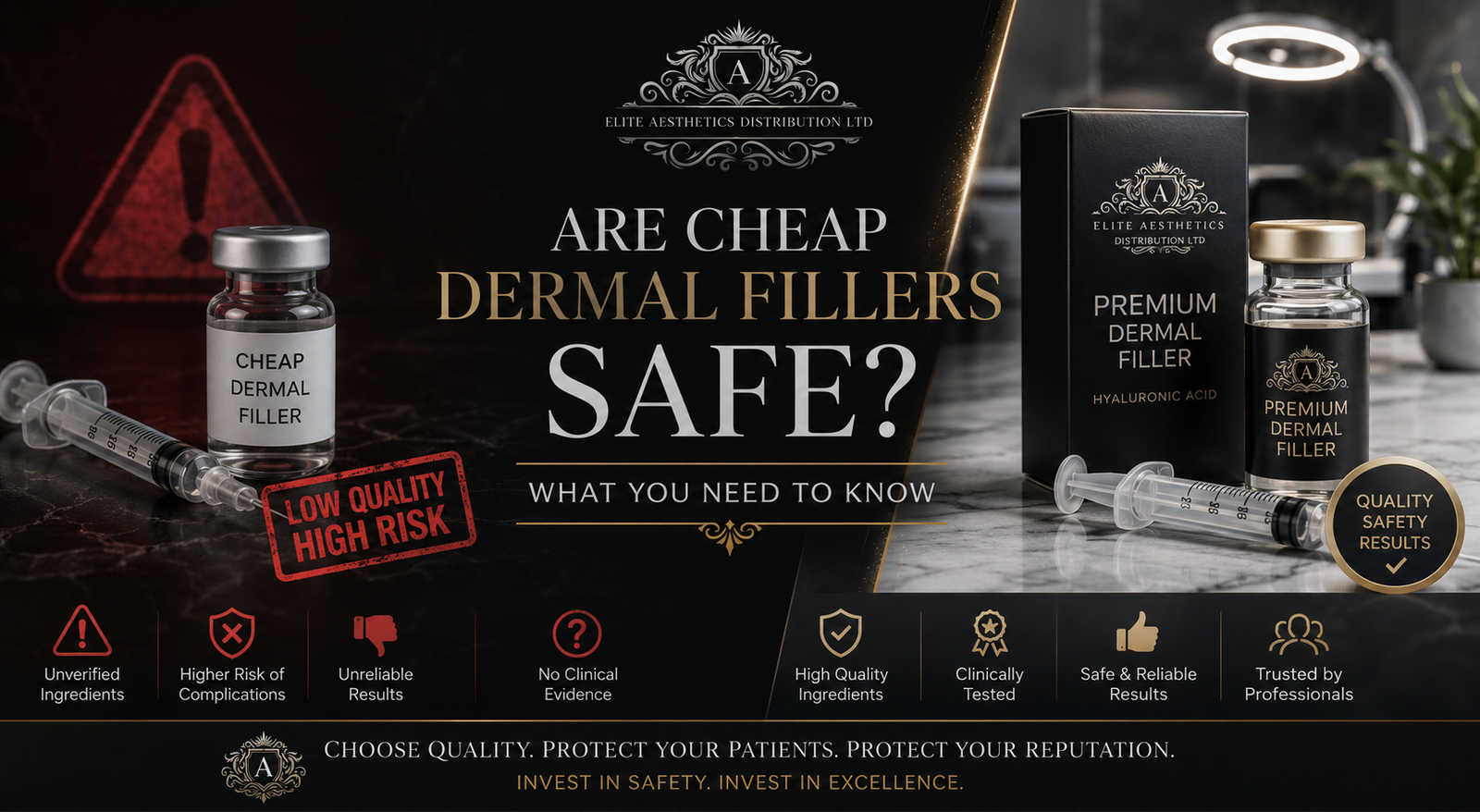
One question frequently asked by both practitioners and clinic owners is: Are cheap dermal fillers safe?
While lower prices may seem attractive from a business perspective, choosing products based solely on cost can expose practitioners, clinics, and patients to significant risks. Understanding the differences between premium-quality fillers and low-cost alternatives is essential for maintaining patient safety, treatment quality, and professional reputation.
Why Are Some Dermal Fillers So Cheap?
Not all dermal fillers are manufactured to the same standards.
Several factors can contribute to lower product pricing:
Lower manufacturing standards
Limited clinical testing
Lack of regulatory approvals
Inferior raw materials
Reduced quality control procedures
Shorter product development cycles
In some cases, products may be sourced through unofficial distribution channels, making it difficult to verify authenticity, storage conditions, and product traceability.
While lower pricing can improve profit margins in the short term, the long-term risks can far outweigh any initial savings.
The Risks Associated with Cheap Dermal Fillers
1. Inconsistent Product Quality
High-quality fillers undergo extensive testing to ensure consistency in:
Hyaluronic acid concentration
Cross-linking technology
Viscosity
Longevity
Safety profile
Cheap fillers may exhibit batch-to-batch inconsistencies, potentially affecting treatment outcomes and patient satisfaction.
2. Increased Risk of Complications
The quality of a dermal filler can directly influence its performance within the tissue.
Potential complications include:
Excessive swelling
Inflammation
Nodule formation
Product migration
Infection
Vascular complications
Although no injectable treatment is entirely risk-free, using reputable products significantly reduces unnecessary risk.
3. Lack of Clinical Evidence
Established filler brands typically invest heavily in:
Clinical trials
Safety studies
Long-term performance data
Practitioner training
Many low-cost alternatives offer limited published evidence regarding safety, efficacy, and long-term outcomes.
Without sufficient clinical data, practitioners may struggle to accurately predict product behaviour and longevity.
4. Storage and Supply Chain Concerns
Product integrity depends heavily on proper storage and transportation.
When fillers are sourced through unverified suppliers, there may be concerns regarding:
Temperature control
Product authenticity
Expiry dates
Batch tracking
Regulatory compliance
Working with trusted distributors helps ensure that products reach clinics in optimal condition.
Why Premium Dermal Fillers Cost More
Premium products are often more expensive because manufacturers invest significantly in:
Research & Development
Advanced formulations require years of development and testing before reaching the market.
Manufacturing Standards
Leading manufacturers operate under strict quality-control systems to ensure product consistency and safety.
Regulatory Compliance
Products meeting recognised regulatory standards undergo rigorous review processes designed to protect patients.
Clinical Training & Support
Many premium brands provide:
Practitioner education
Injection protocols
Product training
Ongoing professional support
These investments contribute to safer and more predictable treatment outcomes.
The Hidden Cost of Cheap Fillers
Many clinic owners focus on product cost per syringe without considering the wider business impact.
Potential hidden costs include:
Patient complaints
Corrective treatments
Increased complication management
Reputation damage
Negative reviews
Legal liabilities
Reduced patient retention
A single adverse outcome can cost significantly more than the savings achieved by purchasing cheaper products.
What Practitioners Should Look for When Buying Dermal Fillers
Before purchasing any dermal filler, consider the following checklist:
✔ Source products from reputable suppliers
✔ Verify product authenticity
✔ Check regulatory status
✔ Review manufacturer credentials
✔ Assess available clinical evidence
✔ Ensure full batch traceability
✔ Confirm proper storage requirements
✔ Choose products with practitioner support and training
Quality assurance should always take priority over the lowest price.
Patient Trust Is Your Most Valuable Asset
Patients trust practitioners to make decisions that prioritise their safety and wellbeing.
Using high-quality aesthetic products demonstrates professionalism, commitment to patient care, and confidence in treatment outcomes.
While cost is an important business consideration, compromising on product quality can undermine the trust that clinics work hard to build.
Successful aesthetic practices focus on delivering consistent, safe, and natural-looking results rather than competing solely on price.
Final Thoughts
Cheap dermal fillers may appear attractive from a cost perspective, but lower pricing often raises important questions regarding product quality, testing, manufacturing standards, and long-term safety.
For practitioners and clinic owners, choosing reputable dermal fillers from trusted suppliers is one of the most important investments in patient safety and clinic reputation.
The true value of a filler should not be measured by price alone but by its safety profile, clinical evidence, consistency, and ability to deliver reliable results.
When it comes to aesthetic treatments, quality is not an expense it’s an investment in patient outcomes and long-term business success.